
Tree care and right-of-way maintenance along the Colorado Front Range demand an incredibly specific type of vehicle. A standard factory truck body won’t cut it when you are hauling tons of dense wood chips while towing a commercial woodchipper up a steep mountain grade.
To build a fleet that keeps your crew safe and your jobs profitable, you need to understand how payload capacities, powertrain configurations, and specialized upfitting interact under heavy high-altitude stress. This comprehensive guide covers everything you need to know about selecting and spec’ing your next vocational vehicle.
What is a Chipper Truck?
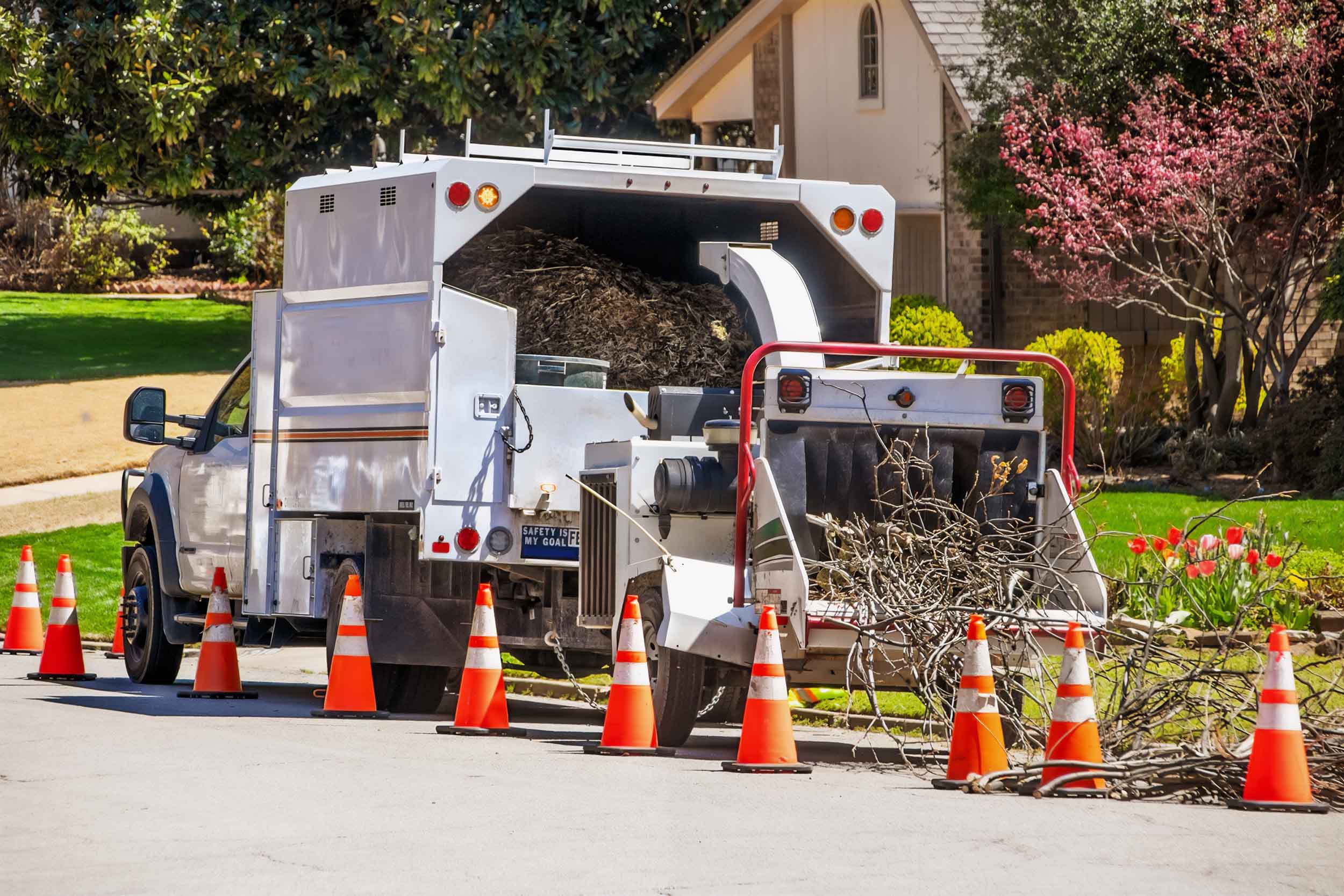
Often referred to as a forestry truck or an arbor truck, a chipper truck is a specialized commercial vehicle designed specifically for tree care, land clearing, and vegetation management.
Unlike a standard dump truck, a dedicated chipper configuration features a high-volume, fully enclosed cargo box typically built with a tapered roof or specialized ventilation screens. This enclosure is critical because it allows wood chips to be blown directly from a tow-behind chipper into the truck bed without escaping during transport. Most modern units utilize heavy-duty hydraulic hoists to quickly dump tons of organic waste at recycling or mulch centers.
Who Can Benefit from Renting or Leasing a Chipper Truck?
If your daily operations require managing massive volumes of green waste, standard utility vehicles are likely slowing down your cycle times. Several core industries rely on these heavy-duty rigs to stay productive:
- Arborists: Tree service professionals use these vehicles as mobile workshops, towing their machinery to residential or commercial properties and hauling away large-canopy debris in a single trip.
- Forest Service & Line Clearers: Utility contractors managing wildfire mitigation or clearing branches away from high-voltage power lines depend on rugged machinery that can survive long days in remote fields.
- Landscapers: Large-scale commercial landscapers use these vehicles to transition seamlessly from summer clearing contracts to seasonal multi-zone cleanup projects.
Why Drivetrain and Power Matter for These Colorado Jobs
Operating a commercial truck in Colorado introduces challenges that out-of-state fleet managers rarely have to consider. When you are spec’ing out your equipment, two factors dictate whether your truck succeeds or fails on the job site:
1. The 4×4 Imperative
A rear-wheel-drive vocational vehicle is an operational liability in the mountain foothills and unpredictable mountain winters. Whether backing up a muddy, unpaved driveway in Evergreen or navigating a snow-covered right-of-way, having specialized 4×4 work trucks ensures your crew can access the site safely without waiting for a costly tow rig.
2. High-Altitude Turbo-Diesel Power
At elevations greater than 5,000 feet, naturally aspirated gasoline engines suffer significant horsepower losses due to thin air. To pull a heavy woodchipper while carrying a full payload of damp wood chips, a high-torque turbo-diesel powertrain—such as the Cummins B6.7 found in Class 5 chassis—is non-negotiable. Turbocharged commercial vehicles compress incoming air, maintaining consistent power output whether you are working in Denver or climbing through the Eisenhower Tunnel.
Ways to Upfit Your Chipper Truck
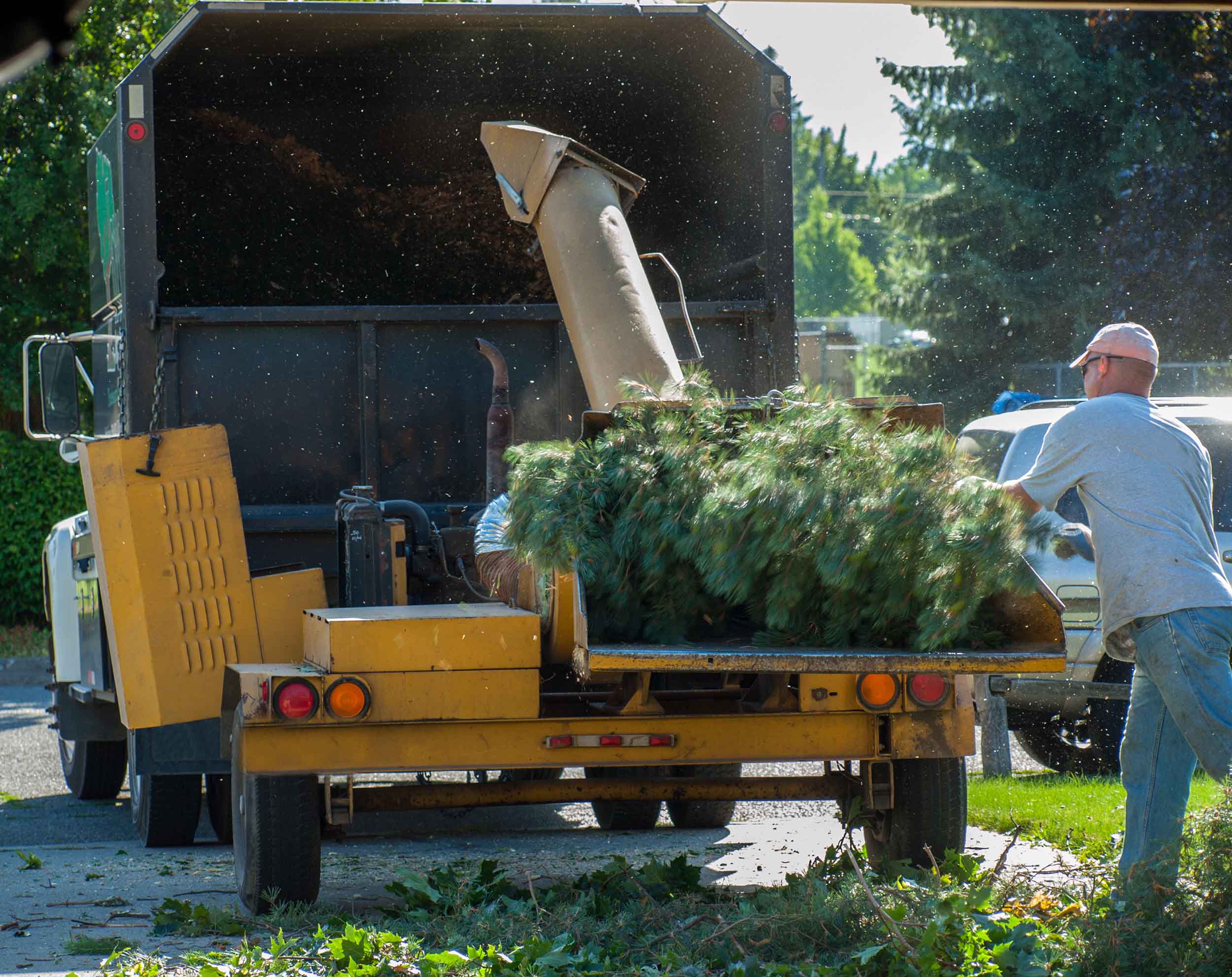
A standard chassis is just a blank canvas. Professional truck upfitting for commercial businesses turns a generic truck into an optimized, high-revenue mobile platform.
When engineering an arbor or forestry vehicle, consider these high-value upfits:
- L-Boxes and Underbody Toolboxes: Tree care requires specialized, expensive gear—chainsaws, climbing ropes, rigging blocks, and safety harnesses. Integrated tool enclosures keep your gear organized, out of the weather, and safely locked away from theft.
- Towed Gear Accommodations: Ensure your rear assembly features heavy-duty pintle hooks or multi-stage hitch receivers, integrated brake controllers, and robust trailer plug wiring to handle heavy commercial chippers without straining the chassis.
- Cab Guards and Lighting: Heavy-duty cab shields protect your truck’s roof and rear window from falling limbs during loading, while integrated LED strobe packages keep your ground crew visible to traffic during roadside operations.
Rent vs. Lease: Flexible Fleet Options with Us
The green industry is inherently seasonal, which can make long-term capital investments intimidating for growing businesses. RMT Trucks offers multiple flexible pathways to help you balance your cash flow with your equipment needs:
The Try-Before-You-Buy Advantage: If you aren’t sure how a new vehicle fits your long-term balance sheet, check out our dump truck rental vs leasing breakdown to see which financial structure matches your seasonal revenue cycle.
- Short-Term Business Rentals: Ideal for seasonal demand spikes, storm cleanup contracts, or replacing a down vehicle to keep your crew active.
- Long-Term Commercial Leases: Provides predictable, fixed monthly expenses with maintenance-included terms that keep your capital off the bank lines and on the road.
- Our Signature Program: Use our rent-to-lease framework to put a premium truck to work immediately on a flexible term while building direct equity toward long-term ownership.
Finish the Job, With RMT
Don’t let equipment shortages, low-traction vehicles, or rigid financing terms stall your business growth. Before you purchase a vehicle that might not fit your changing weight restrictions, make sure to review our insights on custom truck compliance to keep your team operating safely and legally across the Front Range.
When you are ready to upgrade your fleet capacity, the vocational experts at RMT Trucks are here to help you configure the exact setup your business demands.